
Fuel compatibility
Best Biomass Fuels for Industrial Steam Boilers: Fuel Compatibility & Efficiency Tips
The best biomass boiler fuel is the one your plant can obtain consistently, handle reliably and burn within the boiler’s design limits. A low purchase price alone does not establish the lowest steam cost. Factory owners, procurement teams and EPC engineers should compare fuel quality, seasonal supply and the complete steam system before selecting equipment. This guide provides a practical framework for that comparison.
1. Start with the steam duty and local supply
Record the factory’s normal and peak steam demand, required operating pressure and production schedule. Then identify suppliers within a realistic delivery area. Request information covering wet and dry seasons, rather than relying on a single attractive sample or quotation.
For each candidate fuel, ask how much is available each month, who else buys it and what happens during harvest interruptions or transport delays. Separate a dependable base supply from occasional surplus material. An alternative fuel also needs technical approval; availability alone does not make it suitable.
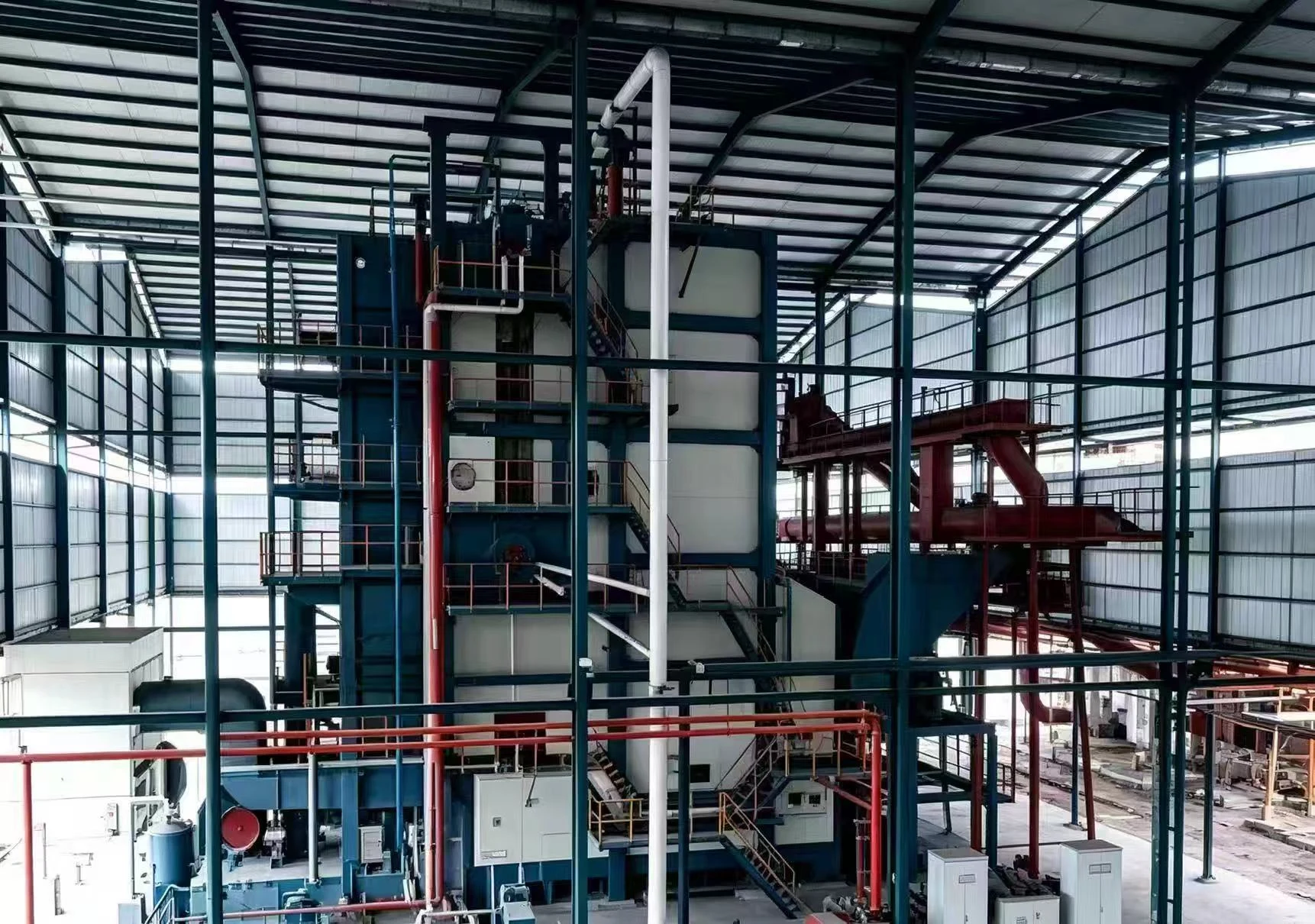
Use the biomass-fired steam boiler product range as a starting point for discussing capacity and fuel requirements. Final selection should connect the proposed fuel specification with the factory’s actual steam duty.
2. Compare common industrial biomass fuels
The following comparison highlights questions to include in a procurement enquiry, rather than ranking fuels universally. For palm processing, the Malaysian Palm Oil Board documents the use of mesocarp fibre and kernel shell as mill fuels. Huayuan’s Indonesia palm oil mill project provides a separate, documented example of a palm-waste biomass boiler application.
- Wood chips: Ask a wood chip boiler supplier to define acceptable chip dimensions, fines, oversized pieces and moisture. Identify the wood source and exclude treated or contaminated material unless the equipment and local approvals explicitly cover it.
- Palm kernel shell and fibre: Assess palm kernel shell fuel and mill fibre separately before proposing a blend. Record each material’s quantity and test results, then ask the boiler supplier to confirm the permitted blend and handling arrangements.
- Bagasse: For sugar mills, establish whether fuel production and steam demand follow the same season. Include storage, backup supply and the condition of stored material in the project assessment.
- Rice husk: Request fuel and ash analysis, and discuss feeding, ash removal and cleaning requirements. A nearby rice mill can be a useful supply lead, but the boiler package still requires an application-specific review.
- Biomass pellets: Specify the feedstock and verified fuel properties. A pellet’s appearance or uniform shape does not establish its ash chemistry, durability or suitability for a particular industrial furnace.
Technical reference: Malaysian Palm Oil Board: Palm Biomass Fuel Utilisation in Palm Oil Mills ↗
3. Compare heat value on the same basis
Ask the laboratory to state whether its result is a higher heating value (HHV) or lower heating value (LHV), and whether it applies to dry material or fuel as received. HHV includes heat recoverable by condensing water vapour; LHV excludes that contribution. Comparing different bases can make one fuel look better than it is.
Moisture reduces the useful energy available per delivered kilogram because part of that mass is water and energy is required to evaporate it. Forest Research also explains that acceptable moisture depends on the combustion system: some equipment is designed for wetter fuel. There is no single moisture limit suitable for every industrial biomass boiler.
Use representative delivered samples and record the sampling date. Ask for LHV on an as-received basis when building a consistent fuel-cost comparison, and require any quoted efficiency to use the same heating-value basis. Replace generic internet heat-value tables with tested values before final engineering.
Technical reference: Forest Research: Effect of Moisture Content ↗
4. Confirm biomass fuel compatibility in writing
Biomass fuel compatibility concerns the whole package, from receiving and storage to combustion, ash handling and emissions control. EPA’s biomass technology catalogue describes fuel preparation and combustion-system differences. Turn the discussion into a short, agreed specification:
- Fuel identity and quality: List the approved feedstock, moisture range, size distribution, heating-value basis and laboratory reports.
- Ash and contaminants: Request assessment of ash content, relevant chemical constituents and ash behaviour, together with limits on foreign material.
- Equipment scope: Confirm receiving capacity, storage arrangement, conveyors, metering, furnace suitability, ash handling and the required emissions-control equipment.
- Performance conditions: Specify the steam duty, operating range, reference fuel and acceptance-test conditions used for the proposal.
- Change control: Agree how a new supplier, different residue or proposed blend will be evaluated before use. Record who approves the change and what evidence is required.
Technical reference: U.S. EPA: Biomass Combined Heat and Power Catalog of Technologies ↗
5. Improve efficiency through consistent operation
Start by tracking delivered fuel quality, fuel consumption and steam output over comparable production periods. Record operating pressure and feedwater temperature as well. Tonnes of fuel per tonne of steam can flag a change, but differing fuel moisture or steam conditions must be considered before drawing conclusions.
Keep fuel within the agreed specification and ask qualified service personnel to investigate persistent changes in combustion or output. Follow the manufacturer’s inspection and cleaning procedures rather than applying generic combustion settings.
Look beyond the furnace. DOE guidance identifies steam leaks, faulty traps, insulation, heat-transfer surfaces, water treatment and condensate return as important maintenance areas. Where process conditions allow, returning suitable condensate can reduce the heating required for make-up water. Have the engineering team assess contamination risks and recovery arrangements.
Technical reference: U.S. Department of Energy: Best Management Practice #8 — Steam Boiler Systems ↗
6. Compare the cost of useful heat
For an initial fuel-only comparison, use: delivered fuel cost per tonne ÷ (as-received LHV in GJ per tonne × boiler efficiency on the same LHV basis). The result is cost per GJ of useful heat at the boiler boundary. Use a measured or properly justified efficiency for the proposed operating conditions. Use efficiency as a decimal.
This is not the complete cost of steam. Add electricity, labour, water treatment, ash disposal, maintenance and relevant equipment costs separately. Include handling or drying costs without counting anything already included in the delivered fuel price twice. Compare credible seasonal scenarios instead of assuming the cheapest quotation will remain available all year.
7. Request a proposal based on your actual fuel
Prepare a concise enquiry containing your steam demand, operating conditions, fuel analyses, monthly supply and site layout. Review Huayuan’s manufacturing qualifications and certificate records, and request current documents relevant to your proposed equipment and destination.
For a project-specific assessment, contact Huayuan’s boiler project team. Clearly identify confirmed data and open questions. The aim is a practical fuel specification and boiler proposal that supports your factory’s production schedule, with acceptance conditions agreed before purchase.
Explore related information
Factory steam demand calculation and boiler sizing ↗PROJECT CONSULTATION
Discuss your biomass fuel and steam requirements
Share the details you already have. Our project enquiry form includes capacity, fuel and site-visit options.