
Boiler selection
10 Ton Steam Boiler Selection: Capacity, Pressure and Fuel
Selecting a 10 ton steam boiler starts with the steam your factory needs, not the equipment name alone. Define capacity, working pressure, fuel and operating hours before comparing industrial steam boiler proposals. This guide helps factory buyers and EPC teams prepare a clear enquiry for 10 t/h and larger projects.
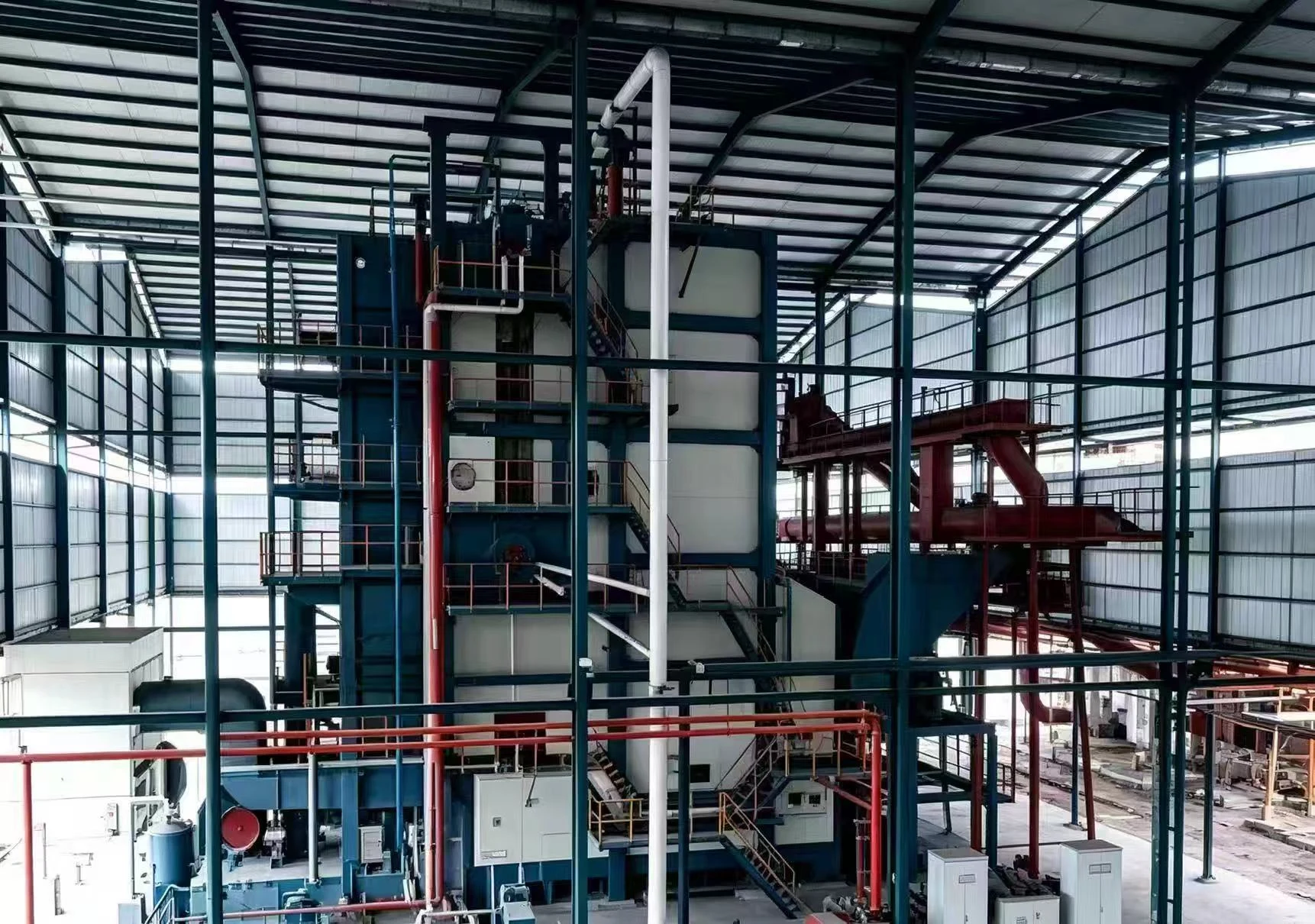
Calculate normal and peak steam demand
List the steam users by production line and record when each one operates. Separate normal demand from short peaks, startup demand and planned expansion. A textile steam boiler application with overlapping batch cycles differs from a factory with a steady drying load.
Ask the project team to reconcile these requirements in a steam balance. The U.S. Department of Energy's steam-system sourcebook treats generation, distribution, end use and recovery as connected parts of the system; equipment selection should reflect that wider boundary.
Technical reference: U.S. Department of Energy: Improving Steam System Performance ↗
Specify boiler capacity, pressure and steam conditions
A 10 t/h steam boiler produces ten metric tonnes of steam per hour at its specified design conditions. State the required working pressure, whether the process needs saturated or superheated steam, and any specified temperature.
Identify whether pressure is required at the boiler outlet or at the production equipment. Keep that measurement location consistent in every supplier enquiry.
If the factory team has only production throughput, send that information with the process equipment list. Mark estimated steam demand as an estimate, rather than presenting it as a confirmed design value.
- Normal, peak and minimum steam demand, with operating hours.
- Required pressure and temperature, including the measurement location.
- Production capacity today and the expansion already planned.
- Available fuel, water source, project country and installation site.
Compare boiler suppliers on the same scope
Prepare one enquiry sheet for all suppliers. Ask each proposal to state its design fuel, feedwater assumptions, output conditions and equipment boundaries. Record exclusions alongside the offered equipment so that a low equipment price is not confused with a complete installed project.
For a large capacity industrial boiler, make the discussion about operational coverage explicit: what happens during planned maintenance, what support is included, and which responsibilities belong to the owner, EPC contractor and boiler supplier? These are project decisions that should appear in the agreed scope.
Review the supplier's boiler manufacturing licences and certificate records, then request current documents and the scope relevant to your equipment before ordering.
Review products and project references before ordering
A useful first package contains the process description, load schedule, steam requirements, fuel information and a basic site layout. Add a target commissioning window and identify the person coordinating technical questions. Unknown items can remain clearly marked for review.
Use the industrial steam boiler product range to shortlist a boiler family. Compare completed industrial boiler projects for examples of installed applications, then discuss the operating conditions of your own factory. A reference project does not replace a project-specific design review.
Explore related information
Compare industrial boiler systems ↗Prepare a boiler enquiry ↗PROJECT CONSULTATION
Discuss your steam requirement
Share the details you already have. Our project enquiry form includes capacity, fuel and site-visit options.