
Operation & maintenance
Operating a Rice Straw Biomass Boiler in Indonesia: Fuel Handling and Shift Control
A rice straw biomass boiler needs an operating plan that connects fuel deliveries with the factory’s steam schedule. For an Indonesian plant and its EPC partner, the useful question is how to keep incoming fuel, preparation, storage and operating records consistent. This guide sets out management checks to agree with the boiler supplier; operating settings remain specific to the installed equipment.
Start with the approved fuel description
Keep the approved fuel specification with the commissioning documents. It should identify the material, delivered form, test basis and any agreed limits. A supplier’s description of rice straw is not enough to confirm that every delivery is suitable for the installed feeding and combustion arrangement.
The fuel compatibility table lists the information needed for review. Where calorific value, allowed moisture or ash limits have not been approved, retain the label Pending confirmation in the project operating file. Do not substitute a value copied from an unrelated installation.
IRRI notes that ash and alkali constituents can present challenges when rice straw is burned. Fuel assessment therefore remains relevant after procurement, especially when the source or preparation method changes.
Technical reference: IRRI — Rice straw use and combustion challenges ↗
Make fuel receiving a documented handover
Agree how each delivery will be identified, sampled and released for use. Record its source, date, delivered form and any visible contamination or exposure to water. Define who can accept a delivery and what happens when its condition differs from the approved description.
For a site exposed to rain, review the receiving area, covered storage and material-transfer route with the EPC team. The storage plan should make it practical to distinguish deliveries and investigate a later operating issue. Storage and fire-protection arrangements require a site-specific review; this article does not prescribe a universal stockpile size or storage period.
Ask the fuel supplier to explain proposed changes in collection or preparation before making them routine. An alternative supply may be commercially attractive, but its compatibility must still be reviewed.
Check the preparation and feeding interfaces
Confirm which party supplies and maintains the equipment between fuel receiving and the boiler. Review the approved material form, removal of unwanted objects, access for inspection and the handover between separate conveyors or preparation machines. Avoid leaving a gap between the fuel contractor’s scope and the boiler contractor’s scope.
Record recurring feed interruptions with the fuel-batch reference, production condition and alarm history. Investigate the cause with the responsible engineer rather than changing several operating variables at once. Clearing equipment and maintenance work must follow the manufacturer’s isolation and safety procedures.
For a new project, review the biomass steam boiler systems together with the complete fuel-handling proposal. A boiler quotation should make clear what upstream preparation is included and what the factory must provide.
Use a shift log that supports decisions
Agree a short, repeatable record with the commissioning team. Useful headings include production demand, fuel-batch identification, relevant instrument readings, alarms, interruptions and work completed. Record the time and the person making an approved change so the next shift can understand what happened.
A log is most useful when supervisors review recurring patterns and assign follow-up actions. For example, repeated feeding interruptions associated with one delivery should trigger a fuel and handling review. The record itself does not justify exceeding approved limits or bypassing protective controls.
Keep water-treatment checks and maintenance records within the plant’s approved operating programme. The equipment manual and competent operating team determine the required checks, limits and action thresholds; they should not be replaced with generic values from a blog.
Connect EPC handover with everyday operation
Before handover, identify the operating documents, spare-parts lists and training needed by the factory team. Agree how instructions will be understood by the people on each shift. Assign responsibility for unresolved commissioning observations and retain a clear record when they are closed.
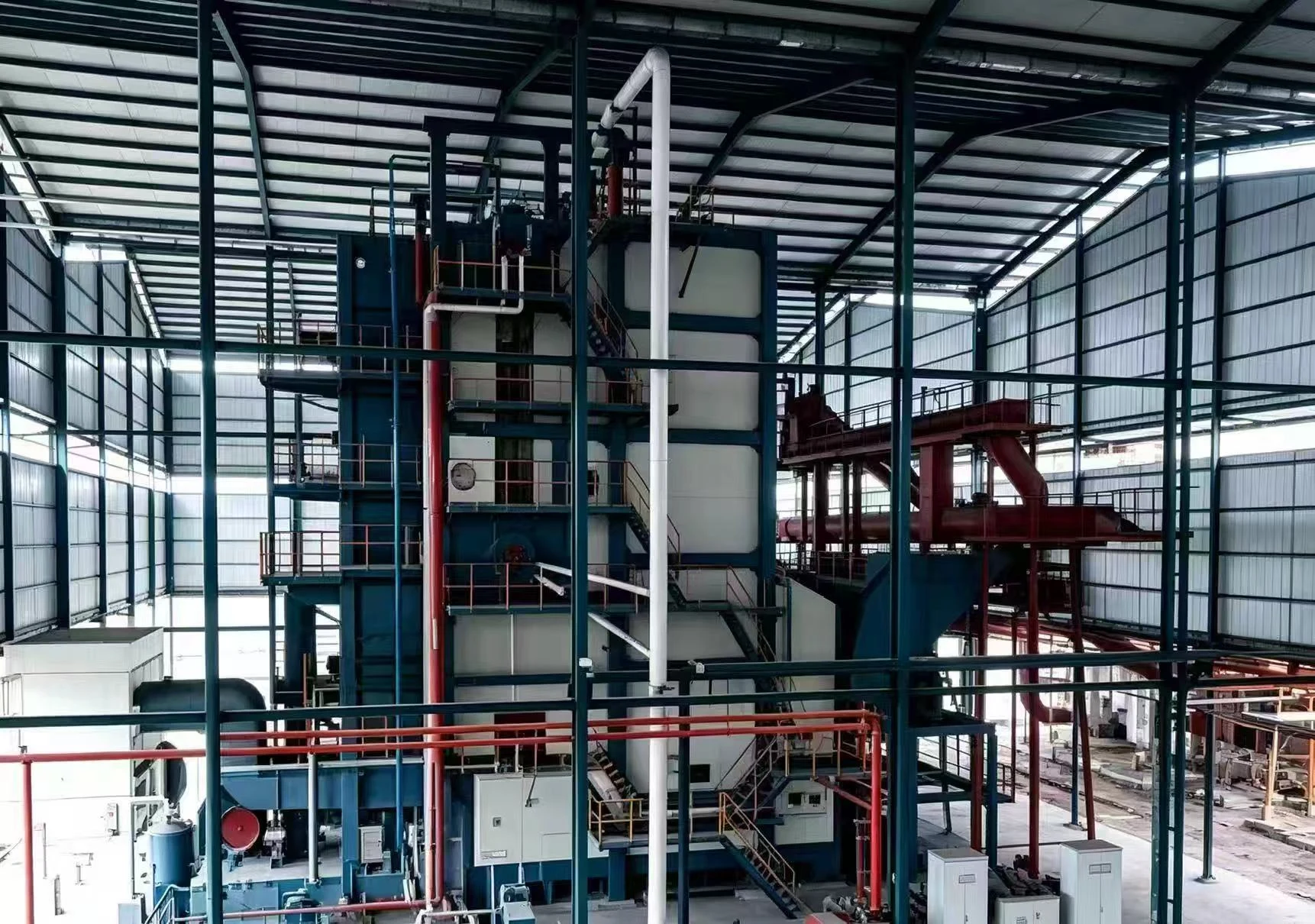
The Indonesia 20 t/h project is a documented palm-waste biomass installation for a palm oil mill. It is relevant as an engineering reference, but its photograph and model designation do not verify performance on rice straw. Review a proposed fuel change as a separate technical decision.
Include a review of the applicable qualification documents in supplier and handover checks. Ask for equipment-specific documentation rather than assuming that a general company certificate answers every project question.
Prepare a useful technical support request
When requesting support, provide the boiler model, site, fuel details, operating condition and a clear description of the issue. Relevant photographs and alarm records can help the engineering team understand the situation. They do not replace the factory’s approved response to an unsafe condition.
Huayuan can provide WhatsApp remote technical support, discuss engineer visits by project agreement and support spare-parts supply. No fixed response time or parts-delivery period is promised here. Send a new-project or operating-support enquiry through the Inquiry Form so the scope can be reviewed with your team.
Explore related information
Boiler products and fuel compatibility ↗Regional project references ↗PROJECT CONSULTATION
Discuss your fuel and operating requirements.
Share the details you already have. Our project enquiry form includes capacity, fuel and site-visit options.