
Operation & maintenance
Industrial Boiler Maintenance Checklist: Water Treatment and Spare Parts
An industrial boiler maintenance plan should connect operating records, water-treatment support, planned outages and spare parts with the factory's production schedule. Use this checklist to organise service discussions for an industrial steam boiler. Follow the equipment-specific instructions for operating and maintenance work.
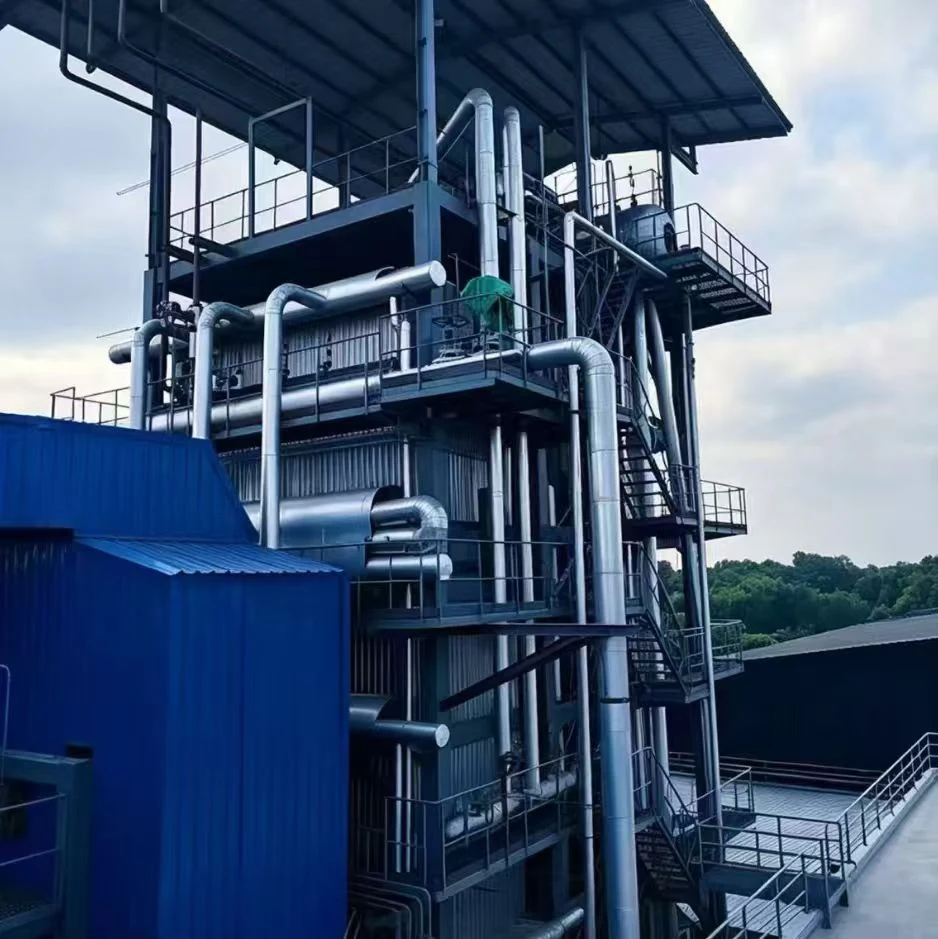
Identify the boiler and its maintenance requirements
Identify the installed industrial boiler product family and build an equipment register from the final supplied package. Include the boiler and auxiliary equipment, identification plates, drawings, manuals and supplier contacts. Assign an owner to keep the register current after replacements or approved modifications.
Base the maintenance schedule on the manufacturer's instructions, operating conditions and applicable inspection requirements. Identify which work the trained site team performs and which tasks need the supplier or a qualified specialist. Keep this distinction visible when budgeting service support.
Record boiler water treatment and operating data
Use a consistent log for load, pressure, water-treatment results and the observations required by the equipment manuals. Record fuel-supply or production changes alongside operating data.
When requesting support, send the equipment identity, relevant readings, the time of the event and photographs where appropriate. A clear history helps the support team understand the conditions reported by the operator.
The Department of Energy recommends routine checks for steam-system leaks, condensate-pump maintenance and water-treatment specialist support. Its guidance also explains that insufficient blowdown can contribute to deposits or carryover, while excessive blowdown wastes resources. Set treatment and blowdown arrangements through the equipment-specific programme, rather than a generic online value.
Technical reference: U.S. Department of Energy: Best Management Practice #8 — Steam Boiler Systems ↗
Plan critical boiler spare parts
Discuss boiler maintenance and spare-parts support with the supplier using model, drawing or part numbers. Separate routine consumables from parts whose unavailability could delay production. Confirm storage requirements and the information needed to order a replacement.
Review the list with the people responsible for operations, purchasing and stores. A spare listed in a quotation is not necessarily on the factory shelf; agree who purchases it, who checks it and where its documentation is kept.
When sourcing boiler components, review the supplier's manufacturing qualifications and certificate records. Request current documents relevant to the equipment being supplied.
- Equipment and part identifiers, with the relevant drawing revision.
- Quantity held, storage location and the person responsible.
- Supplier contact, ordering information and replenishment status.
- Maintenance tasks or planned outages that require the part.
Coordinate planned outages and long-term support
Share the planned production shutdown window early and confirm the scope of the visit. Make access, tools, replacement parts and the required documentation part of the work plan. Record findings and completed work so the next service discussion starts with an accurate history.
Use the industrial boiler project references to discuss relevant installations and the service scope your factory needs. Agree responsibilities for support and spare parts in the supply contract.
Do not use a general planning article as a troubleshooting or repair procedure. Work on the boiler, pressure systems and safety devices belongs with trained, authorised personnel using the applicable manufacturer instructions. Discuss support and spare-parts responsibilities when agreeing the original supply contract.
Explore related information
Maintenance and spare-parts support ↗Explore Huayuan boiler systems ↗PROJECT CONSULTATION
Discuss maintenance and spare parts
Share the details you already have. Our project enquiry form includes capacity, fuel and site-visit options.